Surfers spend more time in nature than almost anyone. We ride energy from storms thousands of miles away, paddle next to turtles and watch monkeys from the beach. It is only natural to want to protect it. Costa Rica is one of the best places in the world to see what conservation can achieve, and to travel in a way that supports it.
Why Costa Rica is a sustainability leader
A huge share of the world’s biodiversity
Costa Rica covers about 0.03% of the Earth’s surface but holds around 5% of its biodiversity: hundreds of mammal species, more than 900 bird species and countless plants, insects and marine life. You can find rainforest, cloud forest, mangroves, dry forest and volcanoes in a single trip.
Forests that came back
By the 1980s, logging and cattle farming had cleared a large part of the country’s forest. Costa Rica changed course: it restricted logging and in the late 1990s introduced a program that pays landowners to protect and restore forest. Today forest covers more than half of the country again, one of the great conservation turnarounds anywhere.
Clean energy and protected land
Most of Costa Rica’s electricity comes from renewable sources such as hydro, geothermal, wind and solar. Around a quarter of the land is protected in national parks, reserves and wildlife refuges, along with marine protected areas.
Nosara: a town that chose nature
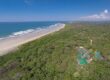
In Nosara, residents worked hard to keep development back from the beach. A protected strip behind Playa Guiones keeps hotels and homes out of sight, and reforestation became a community priority. That is why the beach still feels wild, with howler monkeys in the trees just above the sand. Read the full story in the history of surfing in Costa Rica.
How to travel more sustainably
Before you go
- Choose locally owned accommodation and operators with real environmental practices.
- Pack a reusable bottle, a coffee cup, a tote bag and reusable containers for snacks.
- Bring solid or refillable toiletries instead of small plastic bottles.
- Consider offsetting your flight.
On your trip
- Drink tap water where it is safe, which is most of Costa Rica, and refill instead of buying plastic.
- Use reef-safe, mineral sunscreen.
- Stay on trails, keep your distance from wildlife and never feed animals.
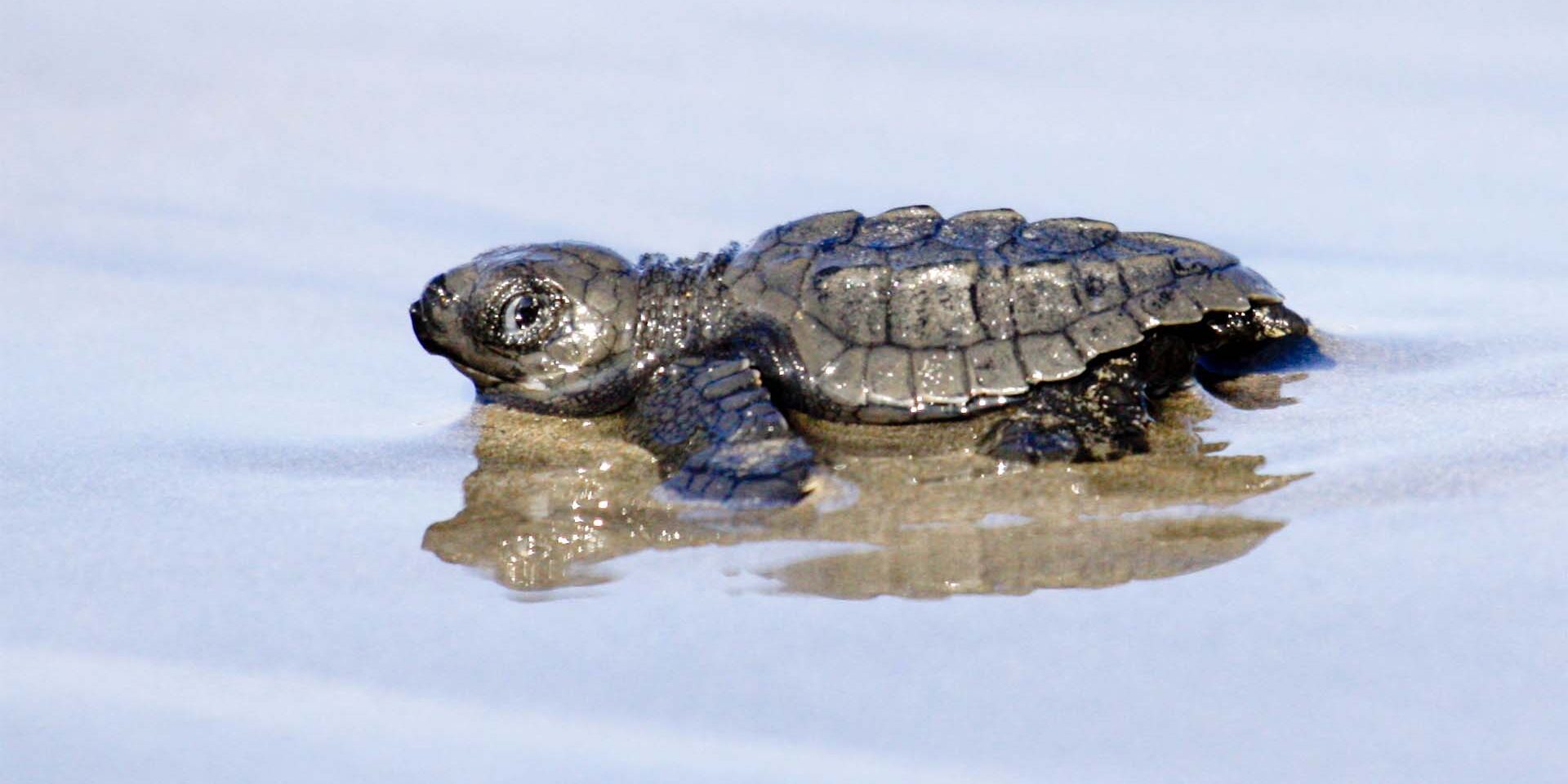
- At turtle beaches, go only with certified guides, use no flash and keep quiet.
- Eat at local sodas, buy from local markets and tip your guides.
- Pick up a few pieces of rubbish after each surf. Small actions add up.
Give back
- Bring school supplies or other items local organisations need. Ask us before you travel.
- Visit or donate to a wildlife rescue center that cares for injured animals.
- Join a beach clean-up if one is running during your stay.
How we work
Our surf camps are built around the local community: experienced local coaches, partner hotels that care about their environmental footprint and support for local wildlife and community projects. Learn more about Safari Surf.
Travel light, surf more. Join our Costa Rica surf camp in Nosara or read where to see wildlife in Costa Rica.