Costa Rica welcomes millions of visitors every year and is widely seen as one of the most stable and welcoming countries in Latin America. It has no army, a strong tourism industry and a friendly, “pura vida” culture. Like anywhere, though, it has risks, from petty theft to strong ocean currents. Here is an honest look at whether Costa Rica is safe, and how to stay safe on your trip.
Is Costa Rica Safe for Tourists?
For most visitors, yes. The vast majority of trips go without any problems. The most common issues for tourists are petty crimes such as bag snatching, pickpocketing and theft from cars or beaches, not violent crime. Crime rates are higher in parts of San José and some larger cities than in small beach towns. Check your government’s current travel advice before you go, as it is updated regularly.
Common Risks and How to Avoid Them
Petty theft
- Never leave bags, phones or cameras alone on the beach or visible in a parked car.
- Use your hotel safe for passports and spare cash.
- Carry only what you need, and keep your phone out of sight on busy streets.
- Use ATMs inside banks or shops, during the day.
Roads and driving
Many rural roads are narrow, unlit or unpaved, and some have river crossings in the rainy season. Avoid driving at night, drive defensively and choose a 4×4 for places like Nosara. Never leave valuables in the car. Our guide on how to get to Nosara has road tips.
Taxis and transport
Use official taxis, which are red with a yellow triangle, or rides arranged by your hotel. Airport taxis are orange. Private transfers are the easiest option after a long flight.
Ocean Safety
For most visitors, the ocean is the biggest real risk. Many Pacific beaches have strong rip currents and few lifeguards.
- Learn to spot rip currents: darker, calmer channels of water flowing out to sea.
- If caught in one, stay calm, do not swim against it, and swim or paddle parallel to the beach.
- Swim near other people, and never swim alone or after drinking.
- Avoid river mouths, where currents are strong and crocodiles can live.
- If you are learning to surf, do it with a coach who knows the beach.
Wildlife and Nature
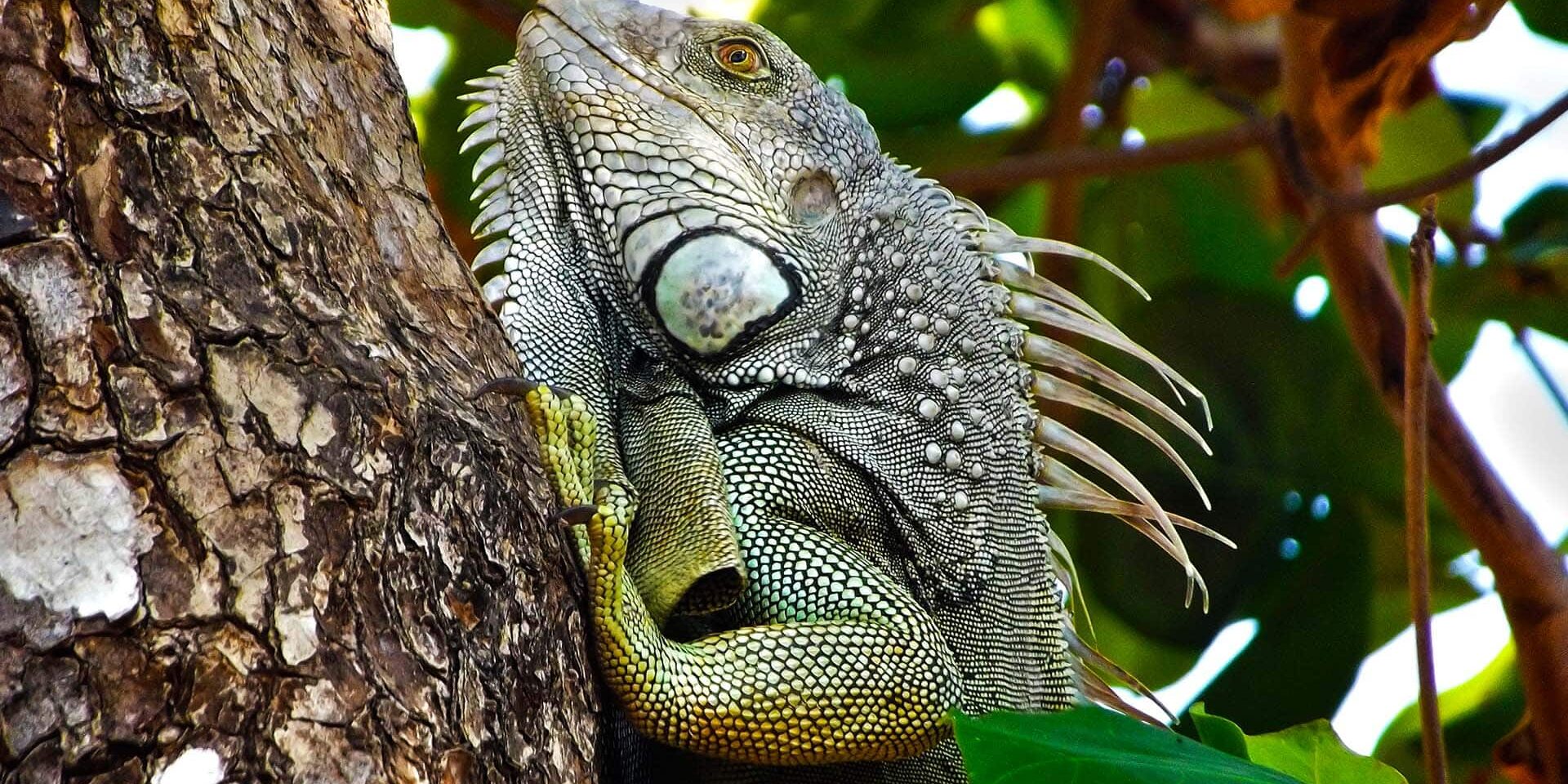
Costa Rica’s wildlife is a big part of its magic, and serious incidents are rare. Keep your distance from animals, never feed monkeys, shake out shoes in the morning, wear shoes at night and use a flashlight on dark paths. In the jungle, stay on marked trails or go with a guide.
Health
- Tap water is safe to drink in most of the country, including many beach towns, but ask locally.
- Use insect repellent, especially in the rainy season, to avoid mosquito-borne illnesses.
- Protect yourself from the strong tropical sun with a hat, rash guard and reef-safe sunscreen.
- Travel insurance that covers medical care and surfing is strongly recommended.
Is Costa Rica Safe for Solo and Female Travelers?
Many solo and female travelers visit Costa Rica every year and feel very comfortable, especially in small, friendly towns like Nosara. Use the same common sense as at home: avoid walking alone on dark roads at night, watch your drink and trust your instincts. Read our tips for solo travel in Costa Rica, or join our Women’s Surf Retreat.
Is Nosara Safe?
Nosara is a small, relaxed community and is generally considered one of the safer areas to visit on the Pacific coast. The main things to watch are theft from beaches, cars and unlocked rooms, dusty or muddy roads at night, and rip currents. More in our Nosara travel guide.
Is Costa Rica Safe for Families?
Yes. Costa Rica is one of the most popular family destinations in Central America, with friendly locals, good healthcare in the main towns and plenty of outdoor activities. Choose beaches with gentler waves for small children and always supervise them in the water. See our family surf vacations.
FAQ: Is Costa Rica Safe?
Is Costa Rica safe to visit right now?
Most trips to Costa Rica are trouble-free. Check your government’s latest travel advice before you go and follow the tips above.
Is it safe to drive in Costa Rica?
Yes, with care. Avoid driving at night, choose a 4×4 for rural areas and never leave valuables in the car.
Is the water safe to drink in Costa Rica?
In most places, yes. Ask your hotel to be sure, especially in remote areas.
Travel With People Who Know the Coast
On our trips, local staff handle your transportation, lodging and daily surf lessons, so you can relax and focus on the waves. See the Costa Rica surf camp in Nosara or tell us your dates.