Costa Rica covers a tiny fraction of the planet’s surface but holds around 5% of its known species. Roughly a quarter of the country is protected as national parks, reserves and refuges. That means you can see an incredible amount of wildlife in a short trip, if you know where to go.
Here are seven of the best places, starting with the one right next to our surf camp.
1. Ostional and Nosara (Guanacaste)
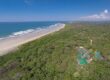
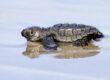
Just north of Playa Guiones, the Ostional Wildlife Refuge hosts one of nature’s great events: the arribada, when thousands of olive ridley sea turtles come ashore to nest over a few nights. It happens most often between July and December, usually around the last quarter moon. Visits are only allowed with certified local guides.
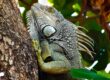
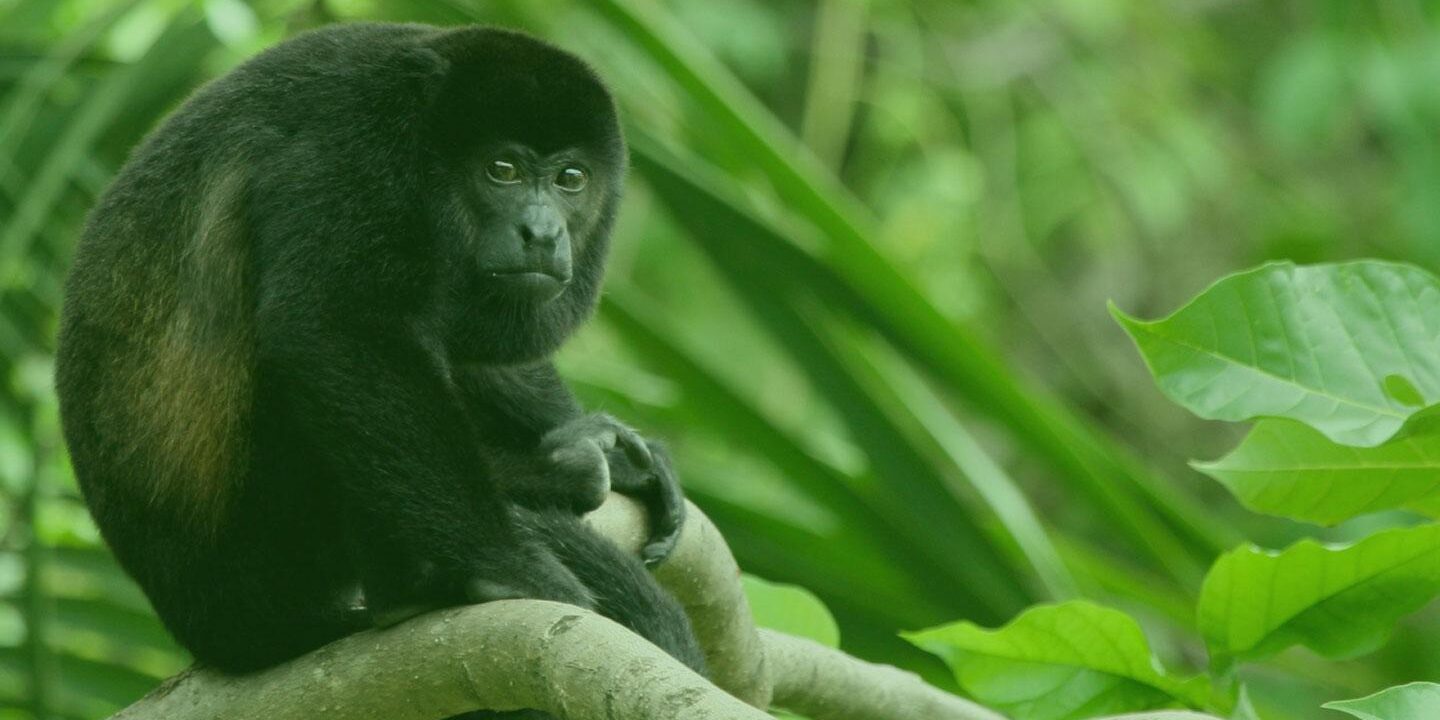
Around Nosara itself, the Nosara Biological Reserve and the protected forest behind Playa Guiones are home to howler monkeys, white-faced capuchins, coatis, iguanas and hundreds of bird species. You will hear the howlers from your bed. See day trips from Nosara for walks and tours.
2. Corcovado National Park (Osa Peninsula)
Often called the most biologically intense place on Earth, Corcovado protects primary rainforest, rivers and wild beaches. Scarlet macaws, Baird’s tapirs, all four Costa Rican monkey species and even jaguars live here. The park is remote and guides are required, which also makes your chances of sightings much better.
3. Tortuguero National Park (Caribbean coast)
A maze of canals, rivers and beaches reached only by boat or small plane. Green sea turtles nest here from about July to October, and boat tours through the canals reveal caimans, river otters, sloths and many birds.
4. Monteverde Cloud Forest Reserve
Cool, misty and covered in moss and orchids, Monteverde is the classic place to look for the resplendent quetzal. Night walks are especially rewarding: tarantulas, frogs, sleeping birds and sometimes sloths. It fits nicely into a Costa Rica itinerary after surf camp.
5. Manuel Antonio National Park (central Pacific)
Small but full of life. Sloths, capuchin and squirrel monkeys, iguanas and colourful crabs are often seen within a short walk of the entrance, with white-sand beaches as a bonus. Arrive at opening time to avoid crowds.
6. Marino Ballena National Park (Uvita)
This marine park is famous for humpback whales, which arrive from both hemispheres. The best whale-watching windows are roughly July to October and December to April. Dolphins and turtles are common too.
7. Arenal and La Fortuna
The forests around Arenal Volcano are great for sloths, toucans and hanging-bridge walks through the canopy, followed by a soak in the hot springs.
How to watch wildlife responsibly
- Go with certified local guides. They find more animals and protect them.
- Keep your distance and never feed wild animals.
- Use red light only at turtle beaches and never use flash.
- Choose operators that support conservation and local communities.
Learn more about how the country protects its nature in sustainable travel in Costa Rica.
Surf in the morning, wildlife in the afternoon. Our Costa Rica surf camp in Nosara puts you right between the jungle and the waves.