Today it is hard to imagine Costa Rica without surfing. Every flight into Liberia is full of board bags, and “pura vida” has become a surf philosophy as much as a national saying. But only sixty years ago almost nobody surfed here. This is how it happened, and why it matters for your trip.
The 1960s: the first surf explorers
Modern surfing took off in California and Hawaii in the 1940s and 1950s. By the 1960s, crowds at home were pushing adventurous surfers south in search of empty waves. Travelling by van, by boat and sometimes on foot, they found warm water, steady swell and empty beaches along Costa Rica’s Pacific coast.
There was almost no infrastructure. Roads were rough or missing, and if you broke a board you fixed it yourself. Many of those early travellers left their boards behind when they went home, and that is how the first local surfers got started.
The 1970s and 1980s: surf towns take shape
Through the 1970s, travelling surfers mapped places that are famous today, including Jacó, Tamarindo, Dominical and Pavones. By the 1980s small hotels and the first surf shops were opening, surf magazines started to write about the country, and surf tourism became a real part of the coastal economy for the first time.
1991: Endless Summer II puts Costa Rica on the map
The real turning point came with the film The Endless Summer II, which showed near-perfect waves in Guanacaste such as Witch’s Rock and Ollie’s Point. Almost overnight, Costa Rica became one of the world’s best-known surf destinations. Surf camps and schools followed, and the government’s growing focus on eco-tourism brought better roads and services.
The waves that made Costa Rica famous
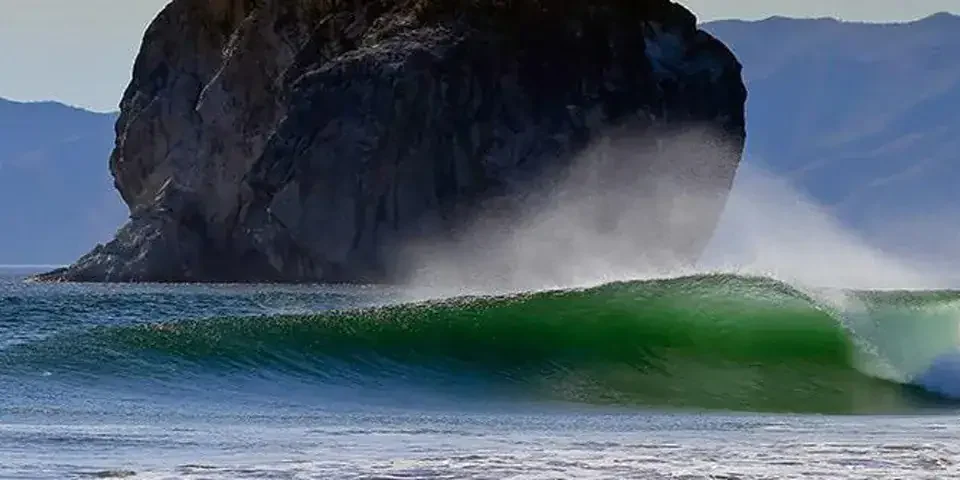
Witch’s Rock (Roca Bruja)
A picture-perfect beach break inside Santa Rosa National Park, named after the dramatic rock just behind the lineup. Most people reach it by boat.
Ollie’s Point
A long right-hand point that needs a big southwest swell to work properly, also in Santa Rosa National Park and also usually reached by boat.
Pavones
One of the longest lefts in the world. On a good south swell a single ride can last well over a minute, through several sections that change from fast and hollow to soft and sloping.
Salsa Brava
On the Caribbean side near Puerto Viejo, a heavy, shallow reef wave with a reputation for broken boards. It works on winter swells from the north and east.
Playa Guiones
Our home break in Nosara is not famous for barrels but for consistency. About four miles of sandbars, waves almost every day of the year and a gentle face make it one of the best progression waves anywhere.
Nosara’s own story
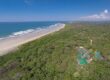
Nosara developed later than Jacó or Tamarindo because it was so remote. In the 1970s there was no paved road, no electricity grid and no phone line, and the first dirt road arrived in 1979. Early surf trips meant camping on the beach.
As the town grew, residents organised to protect it. A protected coastal strip keeps homes and hotels set back from Playa Guiones, and reforestation became a priority. That is why the beach still feels wild today, and why Nosara is known for wellness and nature rather than high-rise hotels.
Surf schools were among the first businesses here, so the lineup grew up welcoming beginners instead of pushing them away. Safari Surf was born from that culture: our founder Tim first came to Costa Rica in 1995, fell in love with the Nicoya coast and later started the surf school with his brother. More than 25 years later, our local coaching team still teaches on the same beach.
Costa Rica’s surf culture today
Costa Rican surfers now compete internationally, national contests support young talent and the country hosts world-level events. At the same time, the surf community has stayed grounded: locals, surf schools and organisations work together to keep beaches clean and coastlines protected. Read more about sustainable surf travel in Costa Rica.
Be part of the next chapter. Surf Playa Guiones with our Costa Rica surf camp or learn more about Safari Surf.