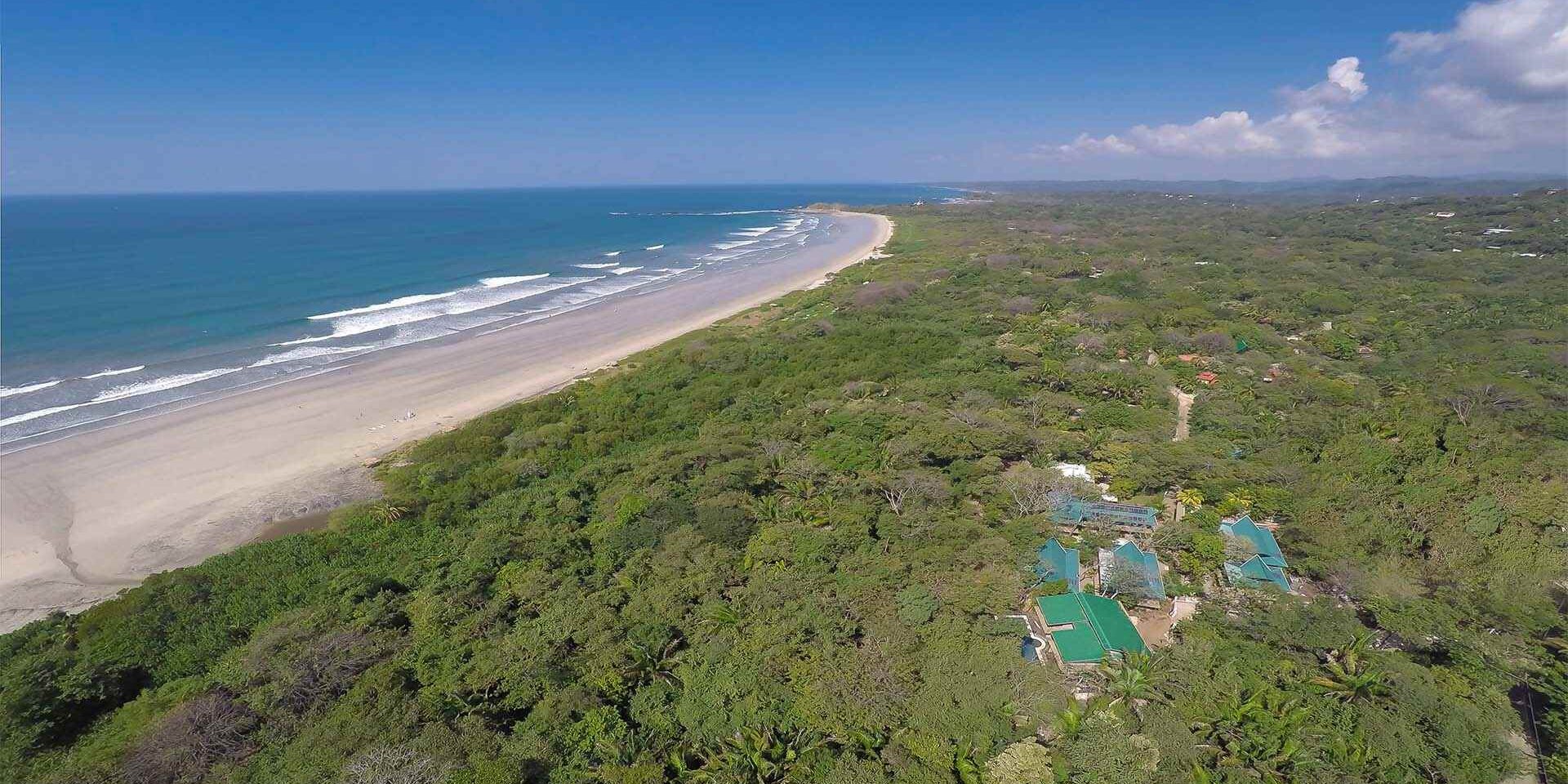
Many serious surfers aim for Costa Rica’s big swell season, but there is a strong case for coming in the northern winter. The reason is a weather pattern called the Papagayo winds. They change how the waves look on the Pacific coast for months, and for beginners and improvers they can make conditions close to perfect.
Costa Rica’s two seasons
Instead of four seasons, Costa Rica has two:
- Green or rainy season (roughly May to November): storms in the far South Pacific send long-period south swells to Central America. Waves are bigger and more powerful, best in the mornings and late afternoons when winds are light.
- Dry season (roughly December to April): smaller south swells and occasional north swells bring fun, user-friendly surf, with sunny skies and offshore winds for much of the day.
What are the Papagayo winds?
The Papagayo winds, also called the Papagayo jet, are strong northeast winds named after the Gulf of Papagayo in northern Guanacaste. During the dry season, high pressure builds over the Caribbean and the Gulf of Mexico. Air is pushed across Central America and accelerates through gaps and valleys in the mountains before reaching the Pacific.
On the northwest coast of Costa Rica, that wind blows from land to sea. In surfing terms, it is offshore.
When do they blow?
The Papagayos are strongest from about December to April, matching the dry season almost exactly. They can last for days at a time. In the far north, around the Gulf of Papagayo, they can be very strong. Further south on the Nicoya Peninsula, around Nosara, they usually arrive as a lighter, steady offshore breeze.
What they do to the waves
Offshore winds hold up the face of the wave, slow down how it breaks and clean up any bumps on the surface. The result is groomed, glassy lines, sometimes hollow, that can stay clean all day instead of just at dawn. Very strong offshore days can make paddling into waves harder and blow spray off the top, but most of the time they are a gift.
Why the dry season is ideal for beginners and improvers
- Waves are smaller and more manageable on most days.
- Offshore winds keep surf clean, so you can surf morning and afternoon.
- Sunshine almost every day and very little rain.
- Plenty of medium-sized, clean waves to practise turns and green-wave riding.
If you are already experienced and love power, the green season may suit you better. Compare the months in our guide to the best time to surf in Costa Rica.
Tips for a dry season surf trip
- Book early: December to April is high season and accommodation fills up.
- Bring strong sun protection, as there are few clouds.
- Surf early on very windy days, when the breeze is lighter.
- Learn to read wind on the forecast with our guide on how to read a surf forecast.
Make the most of clean dry season waves at our Costa Rica surf camp in Nosara.